The Ayutthaya Japanese Village, or Ban Yipun, serves as a cultural memorial park dedicated to the significant Japanese community that flourished in Ayutthaya during the 17th century. This settlement was home to masterless samurai who served as mercenaries for the Siamese king, as well as merchants trading in goods like swords, silver, ceramics, and leatherware, and Christian refugees fleeing persecution in Japan. It offers a unique glimpse into the international relations and diverse population of ancient Ayutthaya.
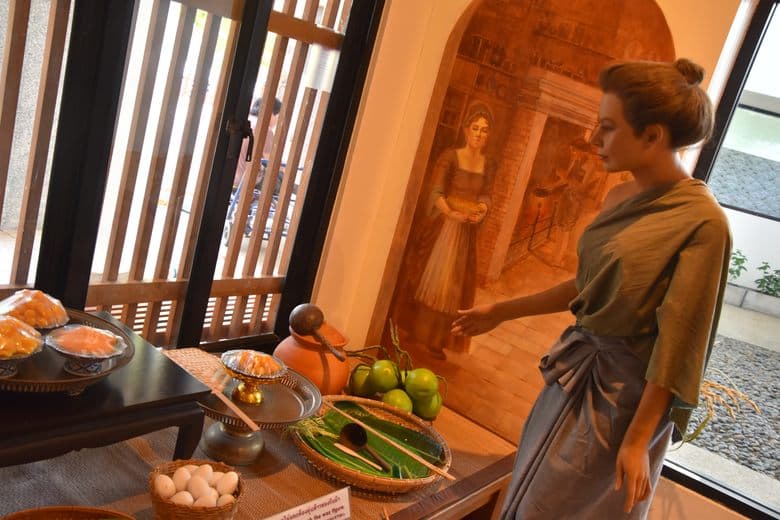
Visitors consistently praise the peaceful atmosphere and the well-maintained gardens, which provide a pleasant escape from the more crowded historical sites. The small museum is often highlighted for its informative exhibits, detailing the history of the Japanese community, including figures like Yamada Nagamasa and Maria Guyomar de Pinha, who introduced Portuguese-style desserts to Thai cuisine. Reviewers appreciate the clear explanations and the opportunity to learn about a lesser-known aspect of Thai history.
For a comfortable visit, it is advisable to bring water and wear comfortable shoes, as there is some walking involved, particularly if exploring the surrounding areas. Most visitors find that 1 to 2 hours are sufficient to explore the museum and gardens thoroughly. The best time to visit is during the cooler morning hours to avoid the midday heat. There are no specific money-saving tips mentioned, as the entry fee is generally considered reasonable.
The Japanese Village is located on the southeast side of the Chao Phraya River. While specific public transport lines are not widely mentioned in reviews, it is easily accessible by car or tuk-tuk from the main Ayutthaya historical park area. Many visitors opt for a taxi or a hired tuk-tuk for convenience, especially when combining it with other attractions. Parking is available on-site for those driving.
A common complaint is that some visitors expect more extensive ruins or a larger village reconstruction, as the site is primarily a memorial park with a museum rather than an archaeological excavation. To mitigate this, visitors should manage their expectations and focus on the educational and commemorative aspects of the site rather than anticipating a sprawling historical village.